Methods explored within media organisations
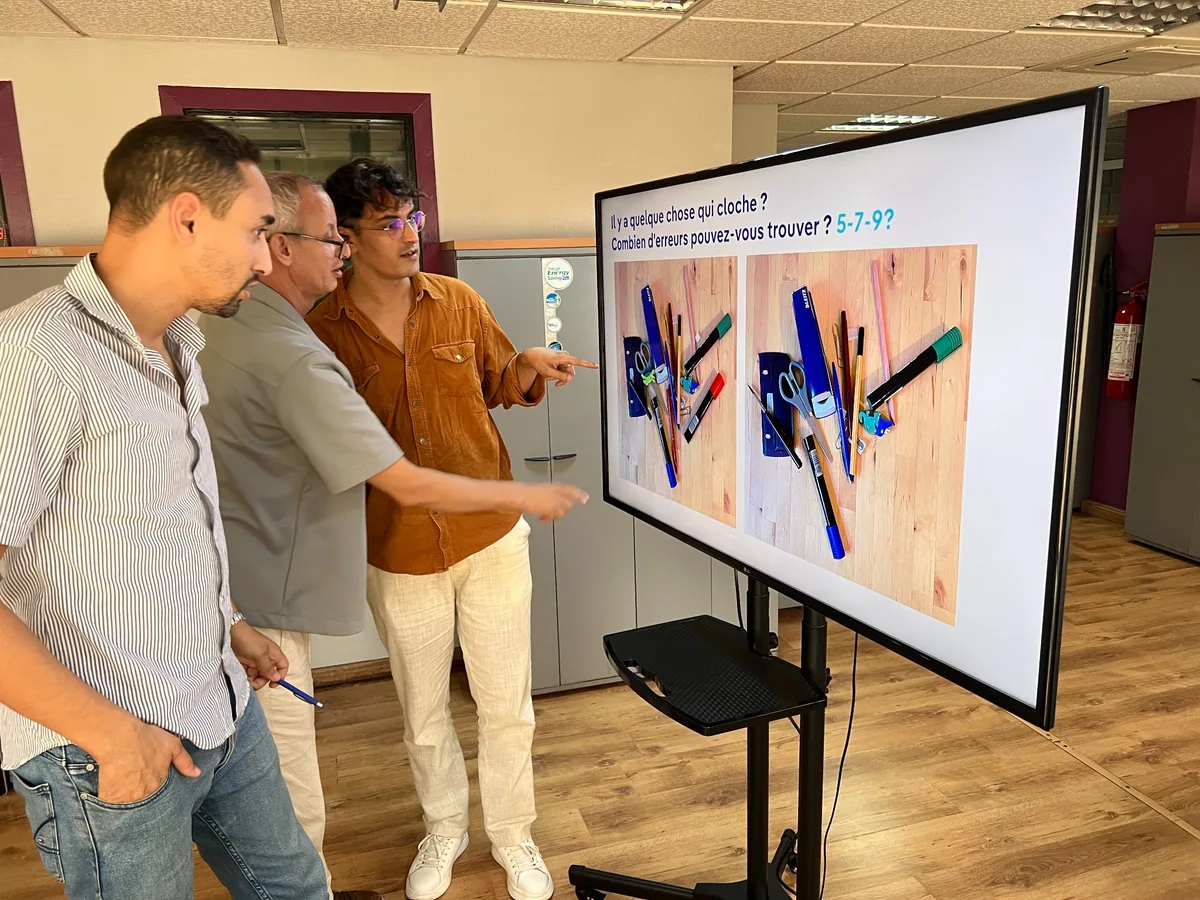
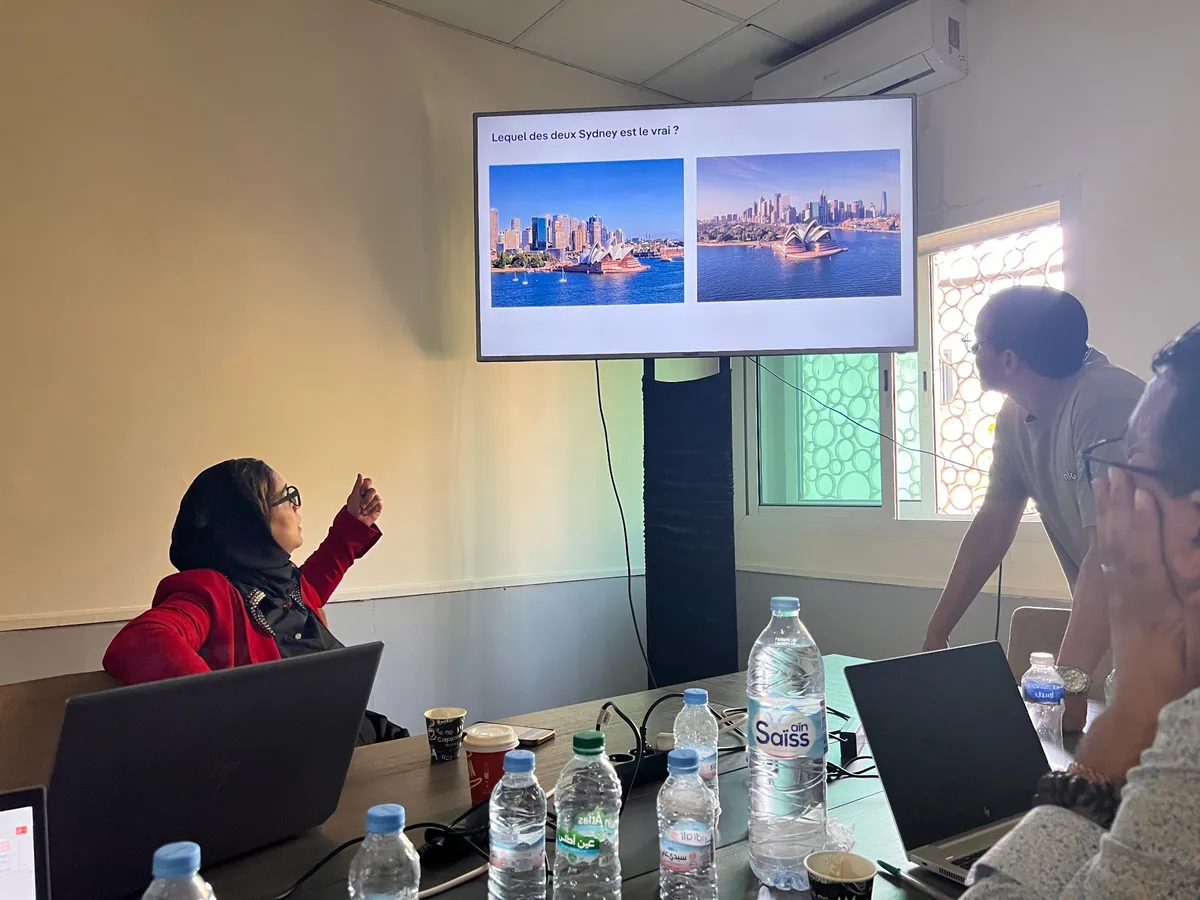
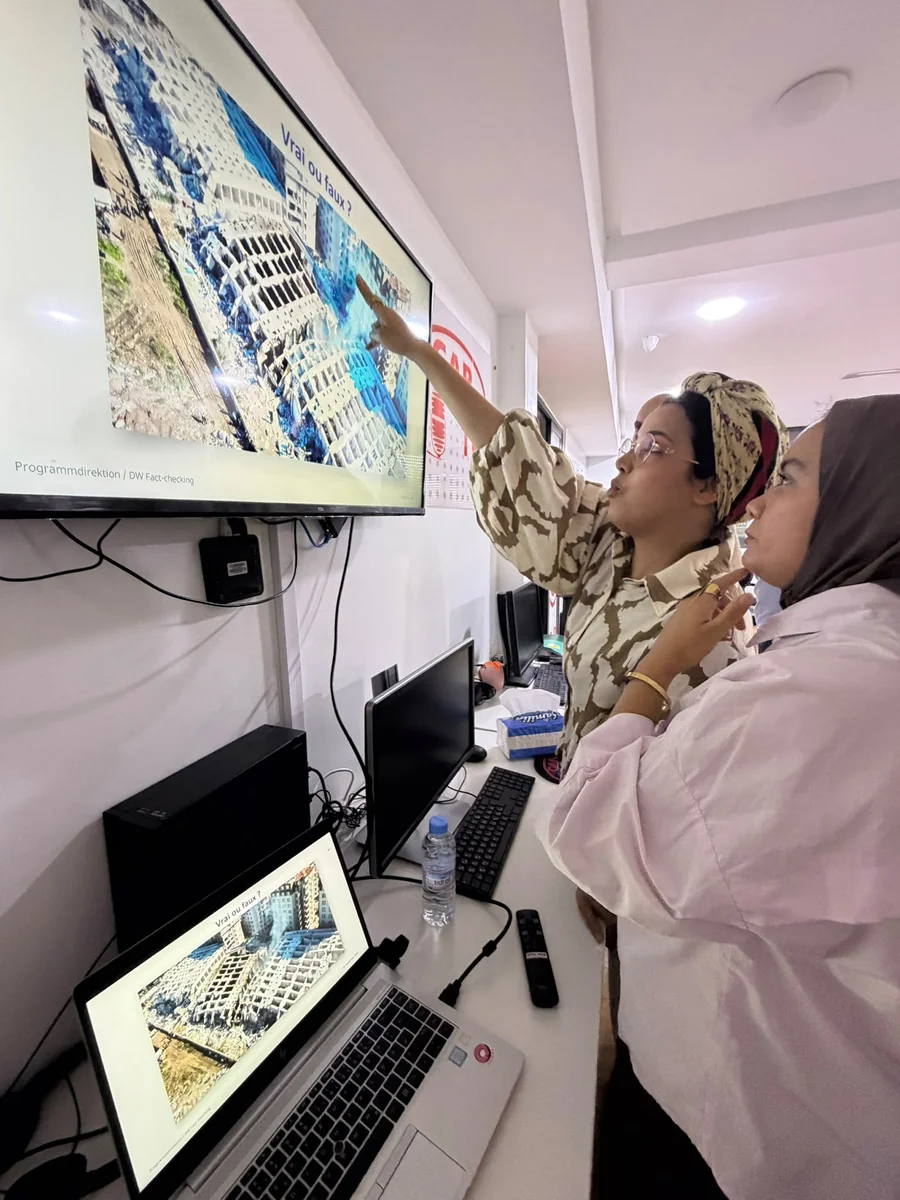
The workshops combined explanations, demonstrations and practical exercises within media organisations. This format connected the exercises with situations encountered by journalists and digital content teams.
Participants worked on tracing original sources, cross-checking information and archiving web pages. They examined the date, place and context of a publication, then used reverse image searches, video analysis and geolocation.
Audio verification also formed part of the sessions. For a radio or television newsroom, assessing where a recording came from, the context of a voice or the consistency of testimony is directly relevant to preparing content for broadcast.
Using digital tools with discernment
Particular attention was given to images, video and voices created or altered with artificial intelligence. Rachel Baig and Aldo Sánchez Vera presented detection tools and their limitations.
The sessions placed the results of these tools alongside source cross-checking and editorial validation. Documenting the evidence and subjecting content to professional judgement remain necessary before broadcast.
Several stations brought together by a shared concern
Teams from MFM, Chada FM and Chada TV, HIT Radio, Medina FM, Cap Radio and Radio Plus took part in the cycle. The diversity of stations connects the approach with radio, television and their digital extensions.
Cooperation in support of reliable information
This training forms part of the cooperation between ARTI and DW Akademie on professional skills development. It connects with the association’s work on information verification and newsroom needs.
These skills are also central to FactHub, which aims to bring together verification, explanation, content production and media literacy.